Custom Built Homes: Elevate Your Living Experience
Building a custom home is more than just a construction project; it’s a journey that transforms your vision into reality. For many, a custom-built home represents the pinnacle of personal expression and comfort. It allows you to create a space that reflects your lifestyle, preferences, and aspirations. In this blog post, we will explore the benefits of custom-built homes, the process involved, and how they can elevate your living experience.
Understanding Custom Built Homes
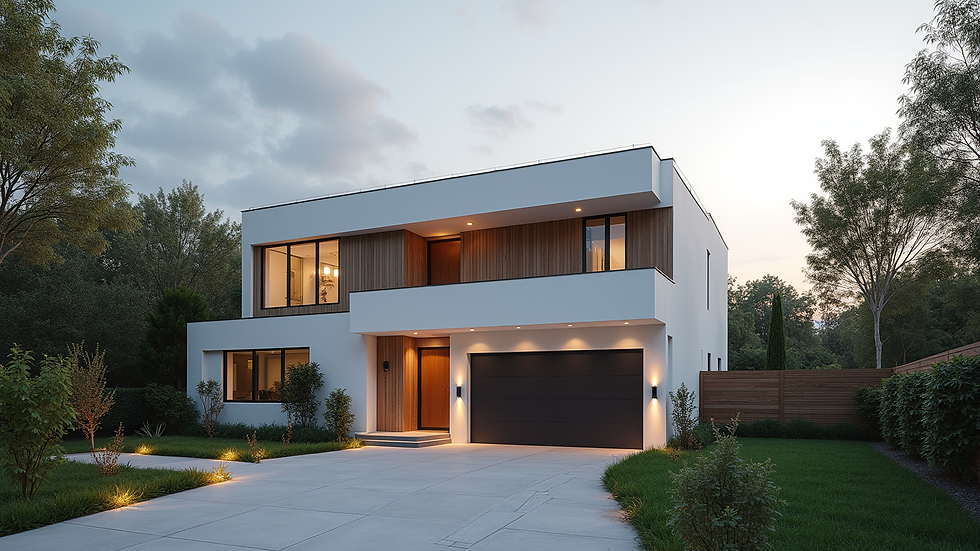
Custom-built homes are unique structures designed and constructed according to the specific needs and desires of the homeowner. Unlike traditional homes, which are built from pre-existing plans, custom homes offer flexibility in design, layout, and materials. This means you can choose everything from the floor plan to the finishes, ensuring that every detail aligns with your vision.
Benefits of Custom Built Homes
Personalization
One of the most significant advantages of custom-built homes is the ability to personalize every aspect. You can select the layout, number of rooms, and even the architectural style. This level of customization ensures that your home is a true reflection of your personality and lifestyle.
Quality Construction
When you build a custom home, you have control over the quality of materials and craftsmanship. You can choose reputable builders and contractors who prioritize quality, ensuring that your home is built to last.
Energy Efficiency
Custom homes can be designed with energy efficiency in mind. You can incorporate modern technologies and sustainable materials that reduce energy consumption, leading to lower utility bills and a smaller carbon footprint.
Location Flexibility
With a custom-built home, you can choose the location that best suits your needs. Whether you prefer a bustling urban environment or a serene rural setting, you have the freedom to select the perfect spot for your new home.
Future-Proofing
Custom homes can be designed with future needs in mind. Whether you plan to expand your family or want to accommodate aging parents, you can create a space that adapts to your changing lifestyle.
The Custom Home Building Process
Building a custom home involves several stages, each requiring careful planning and execution. Here’s a breakdown of the typical process:
1. Define Your Vision
Before you start the building process, it’s essential to define your vision. Consider your lifestyle, preferences, and budget. Create a list of must-haves and nice-to-haves to guide your decisions.
2. Choose a Builder
Selecting the right builder is crucial. Look for someone with experience in custom home construction and a strong portfolio. Schedule interviews and ask for references to ensure you find a builder who aligns with your vision.
3. Design Your Home
Work with an architect or designer to create the blueprints for your home. This stage involves selecting the layout, materials, and finishes. Be prepared to make adjustments as you refine your design.
4. Obtain Permits
Before construction can begin, you’ll need to obtain the necessary permits from local authorities. This process can vary depending on your location, so be sure to familiarize yourself with local regulations.
5. Construction Phase
Once permits are secured, construction can begin. This phase involves site preparation, foundation work, framing, and installing utilities. Regular communication with your builder is essential to ensure the project stays on track.
6. Final Inspection and Move-In
After construction is complete, a final inspection will be conducted to ensure everything meets building codes and standards. Once approved, you can move into your new custom home and start enjoying your personalized space.
Designing Your Custom Home
Designing a custom home is an exciting opportunity to express your style and preferences. Here are some key considerations to keep in mind during the design process:
Layout and Flow
Think about how you want your home to function. Consider the flow between rooms and how you will use each space. Open floor plans are popular for their spacious feel, while traditional layouts may offer more defined spaces.
Style and Aesthetics
Choose a style that resonates with you. Whether you prefer modern, traditional, or eclectic designs, your home should reflect your taste. Pay attention to architectural details, color schemes, and materials to create a cohesive look.
Outdoor Spaces
Don’t forget about outdoor living areas. Patios, decks, and gardens can enhance your living experience and provide additional space for relaxation and entertainment. Consider how you want to use these areas and incorporate them into your design.
Smart Home Technology
Integrating smart home technology can enhance convenience and security. Consider features like smart thermostats, lighting systems, and security cameras that can be controlled remotely. These technologies can improve your quality of life and increase your home’s value.
Budgeting for Your Custom Home
Building a custom home can be a significant financial investment. Here are some tips to help you budget effectively:
Determine Your Budget
Start by determining how much you can afford to spend. Consider all costs, including land acquisition, construction, permits, and interior finishes. It’s essential to have a clear budget to avoid overspending.
Factor in Contingencies
Unexpected expenses can arise during construction. It’s wise to set aside a contingency fund, typically around 10-15% of your total budget, to cover any unforeseen costs.
Get Multiple Quotes
When selecting contractors and suppliers, obtain multiple quotes to ensure you’re getting the best value. Compare prices and services to make informed decisions.
Prioritize Features
If your budget is tight, prioritize the features that matter most to you. Focus on essential elements first, and consider adding additional features later as your budget allows.
The Emotional Impact of Custom Built Homes
Building a custom home is not just about bricks and mortar; it’s about creating a space where memories will be made. The emotional impact of living in a home that reflects your personality and meets your needs can be profound. Here are some ways a custom home can enhance your emotional well-being:
Sense of Belonging
A custom home fosters a sense of belonging. When you walk into a space that feels uniquely yours, it creates a comforting atmosphere that promotes relaxation and happiness.
Pride of Ownership
There’s a deep sense of pride that comes with owning a custom-built home. You can showcase your design choices and craftsmanship to friends and family, creating a space that you can truly call your own.
Connection to Community
Building a home in a community that aligns with your values can enhance your overall living experience. Whether it’s a vibrant neighborhood or a serene rural area, your surroundings play a significant role in your happiness.
Conclusion
Custom-built homes offer a unique opportunity to create a living space that truly reflects your personality and lifestyle. From the initial design to the final touches, the process allows for personalization and quality that traditional homes often lack. By understanding the benefits, the building process, and the emotional impact of a custom home, you can make informed decisions that elevate your living experience.
If you’re considering building a custom home, take the first step today. Define your vision, choose the right builder, and start the journey toward creating a space that is uniquely yours. Your dream home awaits!

Comments